Microshading vs. Microblading: Which Is Better? Pros, Cons, and How to Choose
July 26, 2026 | by iveekaur
If you’re thinking about enhancing your eyebrows, you’ve probably heard of microblading and microshading. Both treatments can give you fuller, more defined brows, but they create different looks and work better for different skin types.
In this guide, we’ll explain the differences between microblading and microshading, along with their advantages and disadvantages, so you can decide which one is right for you.
What Is Microblading?
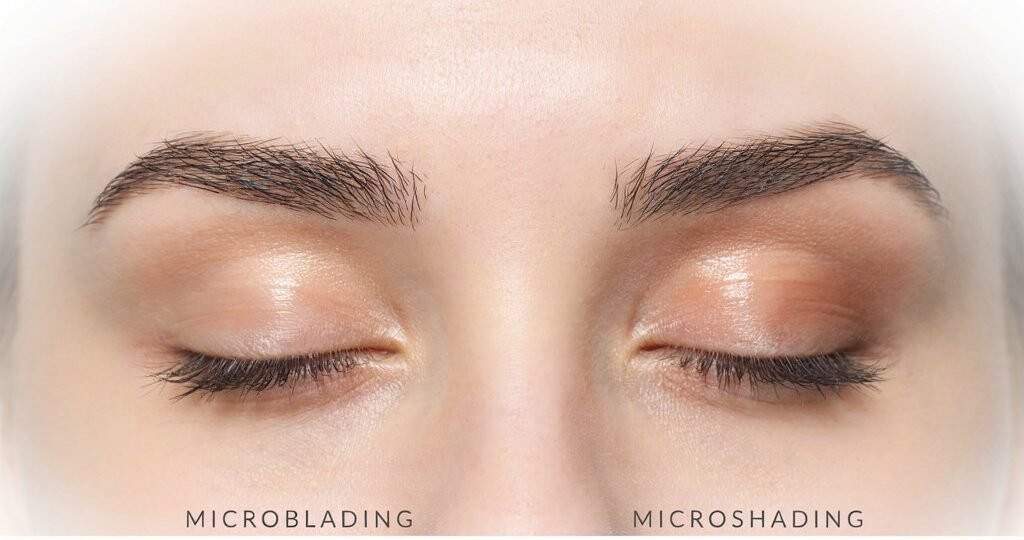
Microblading is a semi-permanent cosmetic procedure that uses a handheld tool with tiny needles to create hair-like strokes on the eyebrows. Pigment is deposited into the upper layers of the skin, giving the appearance of natural eyebrow hairs.
Advantages of Microblading
Creates natural-looking hair strokes.
Ideal for people with thin or sparse eyebrows.
Gives a realistic appearance without daily makeup.
Saves time during your daily beauty routine.
Results usually last 12 to 24 months with proper care.
Disadvantages of Microblading
Not the best option for oily skin because the strokes may blur more quickly.
Requires touch-up sessions to maintain the results.
The healing process can take several weeks.
Costs more than regular eyebrow grooming.
Poor technique by an inexperienced artist may lead to uneven results.
What Is Microshading?
Microshading is another semi-permanent eyebrow treatment. Instead of creating hair-like strokes, it uses tiny dots of pigment to produce a soft, shaded effect similar to filling in your brows with eyebrow powder.
Advantages of Microshading
Excellent choice for oily or combination skin.
Produces a soft, fuller makeup look.
Often lasts longer than microblading on oily skin.
Less likely to blur compared to hair strokes.
Great for people who prefer defined brows.
Disadvantages of Microshading
Does not create individual hair strokes.
May appear darker during the first few days of healing.
Requires occasional touch-ups.
Can look too bold if overdone.
Usually costs about the same as microblading.
Key Differences Between Microblading and Microshading
Feature Microblading Microshading
Appearance Natural hair strokes Soft powdered makeup look
Best Skin Type Normal to dry skin Oily, combination, and sensitive skin
Technique Fine blade creates hair strokes Tiny dots create shading
Longevity 12–24 months 1–3 years (varies by skin type and aftercare)
Overall Look Natural Fuller and more defined
Which Is Better?
There is no single answer because it depends on your skin type and the look you want.
Choose microblading if:
You have normal or dry skin.
You want natural-looking eyebrows.
You like the appearance of individual hair strokes.
Choose microshading if:
You have oily or combination skin.
You prefer a soft makeup effect.
You want fuller, more defined eyebrows.
Some beauty professionals also offer combination brows, which combine microblading and microshading. This technique gives you natural hair strokes at the front of the brow with soft shading throughout the rest, creating both definition and realism.
Aftercare Tips
Regardless of which procedure you choose:
Keep your eyebrows clean and dry during the healing period.
Avoid swimming, saunas, and excessive sweating for the first few weeks.
Do not pick or scratch the healing skin.
Follow your technician’s aftercare instructions carefully.
Use sunscreen after healing to help preserve the pigment.
Final Thoughts
Both microblading and microshading can transform your eyebrows and reduce the need for daily makeup. The best choice depends on your skin type, lifestyle, and desired look.
If you want a natural, hair-like finish, microblading is an excellent option for suitable skin types. If you have oily skin or prefer a soft powdered makeup effect, microshading is often the better choice.
Whichever treatment you choose, make sure it is performed by a qualified and experienced technician using proper hygiene and quality pigments. A skilled professional can help you achieve beautiful, long-lasting eyebrows that complement your facial features.
RELATED POSTS
View all


Turmeric Benefits for the Body and Skin: What Science Says
July 29, 2026 | by iveekaur
Botox vs. Dermal Fillers: What’s the Difference and Which One Is Better?
July 26, 2026 | by iveekaur