

All blog posts
Explore the world of design and learn how to create visually stunning artwork.
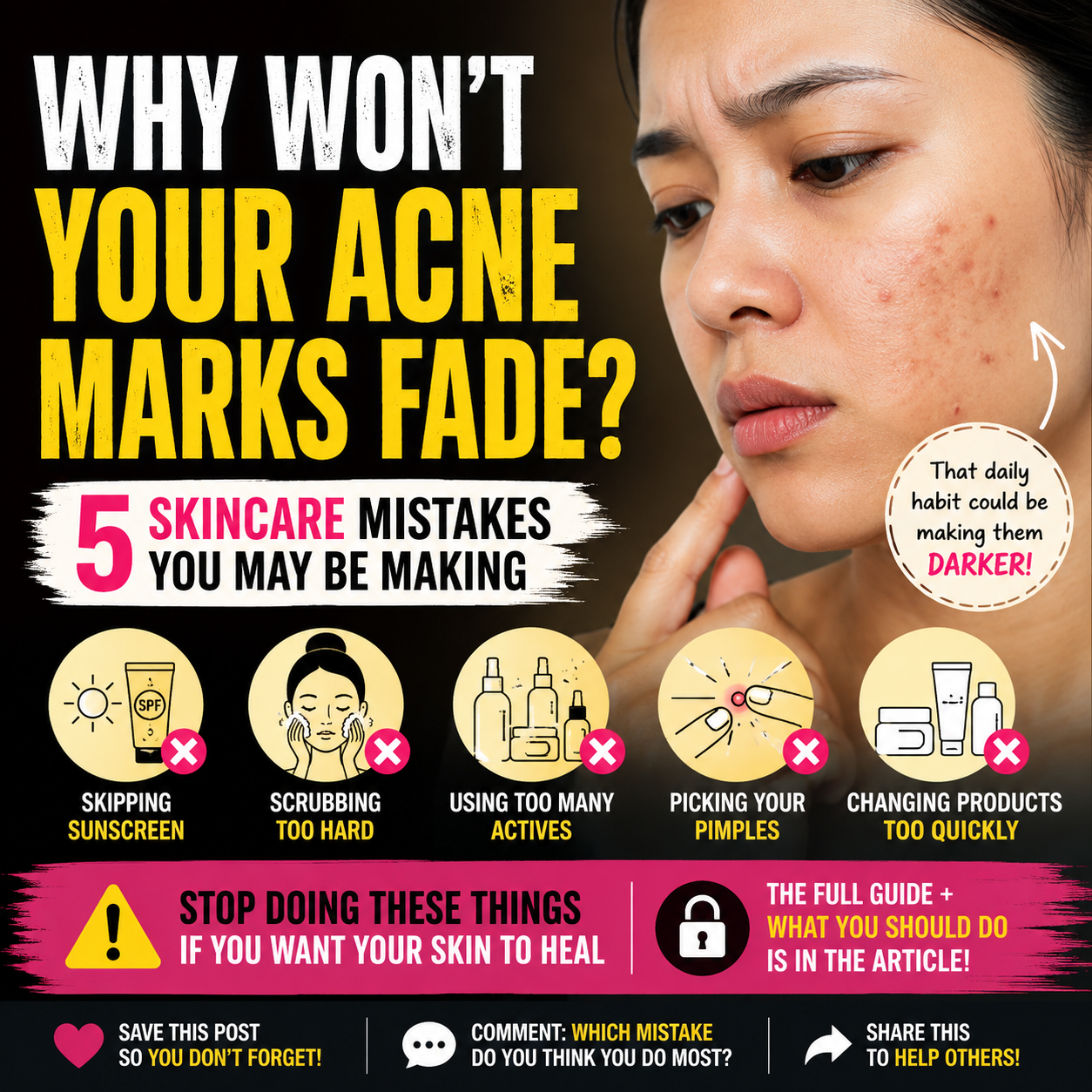
5 Skincare Mistakes That May Be Making Your Acne Marks Darker
September 18, 2026 | by iveekaur

Best Skincare Routine for Acne-Prone Skin: What Actually Helps?
September 10, 2026 | by iveekaur





Top 5 Perfumes Women Wear That Many Men Find Irresistible — A Perfumer’s Guide
July 29, 2026 | by iveekaur

5 Best Perfumes for Your Boyfriend in 2026: Expert Picks That Smell Expensive and Memorable
July 29, 2026 | by iveekaur

Turmeric Benefits for the Body and Skin: What Science Says
July 29, 2026 | by iveekaur

You thought you were treating your acne marks… but what if one of your daily skincare habits is actually making them harder to fade?
Dark spots left after pimples are extremely common, especially when the skin is repeatedly irritated. The good news is that some simple changes can make your routine gentler and more effective.
1. Skipping sunscreen
This is one of the biggest mistakes.
UV exposure can make existing dark marks more noticeable and can contribute to new pigmentation. Even if you are mainly concerned about acne marks, daily broad-spectrum sunscreen can be an important part of your routine.
Look for SPF 30 or higher and apply it consistently during daytime.
2. Scrubbing your face too aggressively
A rough scrub may make your skin feel extremely clean, but more friction isn’t necessarily better.
Aggressive scrubbing can irritate acne-prone skin and may make discoloration appear worse. Instead, use a gentle cleanser and avoid repeatedly rubbing or picking at areas with acne.
3. Using too many active ingredients
More skincare products don’t automatically mean faster results.
Using several strong ingredients at the same time can irritate your skin, especially if you’re already using exfoliating acids or retinoids.
A simple routine that your skin tolerates is often easier to maintain than a complicated routine packed with active ingredients.
4. Picking your pimples
That tiny pimple can be difficult to leave alone—but squeezing or picking can increase inflammation and potentially increase the chance of lingering marks or scars.
Try to keep your hands away from active breakouts whenever possible.
5. Changing products too quickly
One week you’re using vitamin C. The next week you’re trying a new acid. Then another serum appears on your shelf.
Your skin needs time.
Constantly changing products makes it difficult to know what is actually helping or irritating your skin. Introduce new products gradually and give your routine time before deciding whether it works.
So what should you do?
Keep your routine simple:
Morning:
Gentle cleanser → moisturizer → broad-spectrum sunscreen
Evening:
Gentle cleanser → suitable treatment → moisturizer
If you have persistent acne, severe inflammation, or significant scarring or pigmentation, a dermatologist can help determine the cause and recommend appropriate treatment.
The surprising part?
Sometimes the solution isn’t adding another expensive serum.
It may simply be stopping the habits that keep irritating your skin.
What do you think is the hardest skincare habit to stop—picking pimples, skipping sunscreen, or trying too many products?