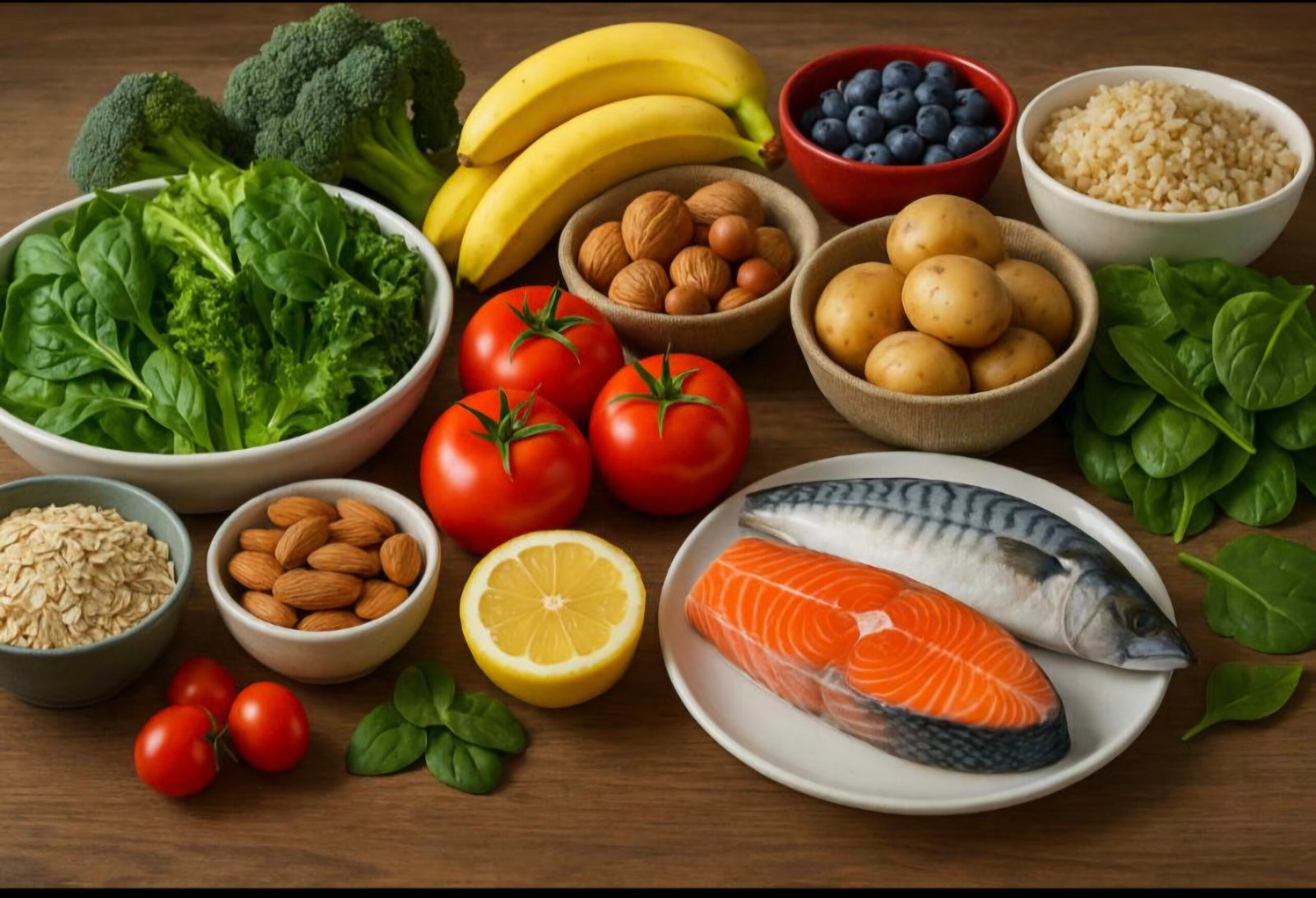
Have you ever wondered if certain foods can help your body “clean itself” naturally?
The good news is that your body already has its own incredible waste-management system. Your liver and kidneys work every day to process substances and remove waste, while your digestive system helps eliminate what your body doesn’t need.
You don’t need expensive detox drinks or extreme diets. A healthy eating pattern can give these organs the nutrients they need to do their jobs.
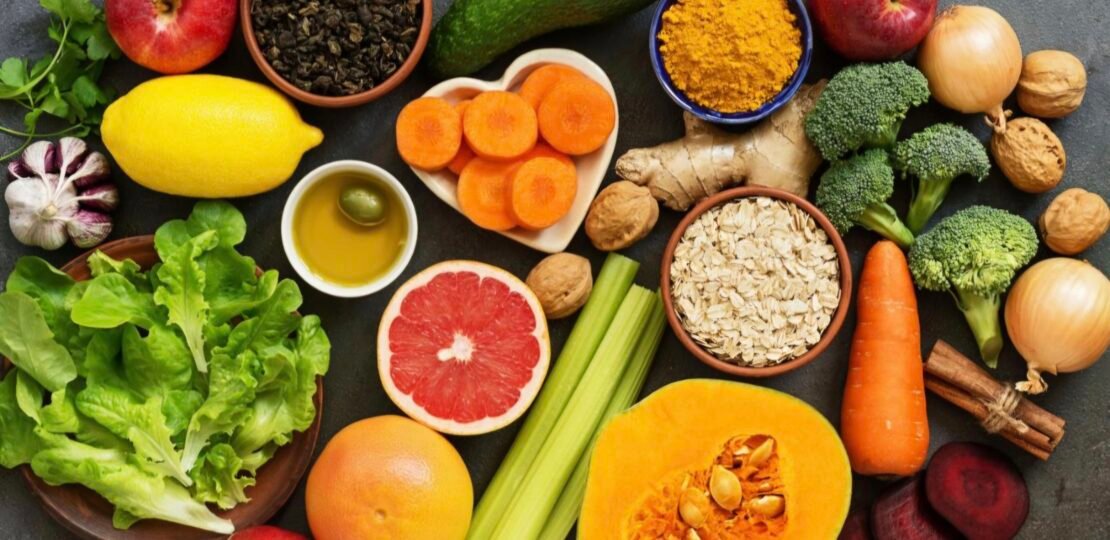
Here are 10 foods worth adding to your regular diet.
1. Garlic
Garlic contains sulfur-containing compounds and other plant compounds that may support normal liver function and overall health.
Try adding fresh garlic to soups, vegetables, stir-fries or sauces.
2. Broccoli
Broccoli and other cruciferous vegetables such as cauliflower, cabbage and Brussels sprouts contain fiber and beneficial plant compounds.
Eating a variety of vegetables regularly can support digestive and overall health.
3. Beetroot
Beetroot is naturally rich in antioxidants and nitrates. It can be eaten roasted, boiled, grated into salads or added to meals.
Its vibrant color comes from plant compounds called betalains.
4. Apples
An apple provides fiber, water and beneficial plant compounds. The fiber helps support normal digestion and bowel regularity.
For most people, eating the whole fruit is better than relying on apple juice because you get more fiber.
5. Berries
Strawberries, blueberries, raspberries and other berries contain antioxidants and fiber.
Adding berries to oatmeal, yogurt or a fruit bowl is an easy way to increase your intake of nutrient-rich foods.
6. Leafy Green Vegetables
Spinach, kale, bok choy and other leafy greens provide vitamins, minerals, fiber and plant compounds.
Eating different types of vegetables gives your body a wider range of nutrients.
7. Citrus Fruits
Oranges, grapefruit, lemons and other citrus fruits provide vitamin C, water and beneficial plant compounds.
Whole citrus fruits are a particularly good choice because they also provide dietary fiber.
8. Avocado
Avocado provides healthy unsaturated fats, fiber and several vitamins and minerals.
It can be added to salads, sandwiches or eaten alongside a balanced meal.
9. Oats
Oats are rich in soluble fiber, including beta-glucan. Fiber helps support healthy digestion and can contribute to healthy cholesterol levels.
A simple bowl of oatmeal topped with fruit can be a nutritious breakfast.
10. Water
Water isn’t technically a food, but it deserves a place on this list.
Your kidneys need adequate fluid to perform their normal functions and produce urine. Staying hydrated is especially important when you’re losing fluids through sweating, exercise or hot weather.
However, drinking excessive amounts of water isn’t better. Your fluid needs vary depending on your body, activity level, environment and health.
What About “Detox” Drinks?
You may see products promising to “flush toxins,” “clean your liver” or “detox your kidneys.”
Be careful with these claims.
There is no magic food or drink that can replace the body’s natural organs or instantly remove toxins. Some detox products can also contain ingredients that interact with medications or cause unwanted effects.
Instead of spending money on expensive detox programs, focus on the basics:
Eat plenty of vegetables and fruits.
Choose whole grains and high-fiber foods.
Drink enough water.
Limit excessive alcohol.
Avoid smoking.
Exercise regularly.
Get enough sleep.
Maintain a healthy weight.
The Bottom Line
Your body doesn’t need a trendy detox diet to function properly.
The best “natural detox” strategy is actually quite simple: give your body nutritious food consistently and allow your liver, kidneys and digestive system to do the work they are designed to do.
No single food can magically clean your organs. But a balanced diet containing vegetables, fruits, whole grains, healthy fats, adequate protein and enough fluids can support your overall health.
Think of food as support—not a miracle cure.
RELATED POSTS
View all


Turmeric Benefits for the Body and Skin: What Science Says
July 29, 2026 | by iveekaur
Bitter Melon (Ampalaya): Health Benefits, Nutrition, and What the Science Says
July 29, 2026 | by iveekaur