

Best Skincare Routine for Acne-Prone Skin: What Actually Helps?
September 10, 2026 | by iveekaur
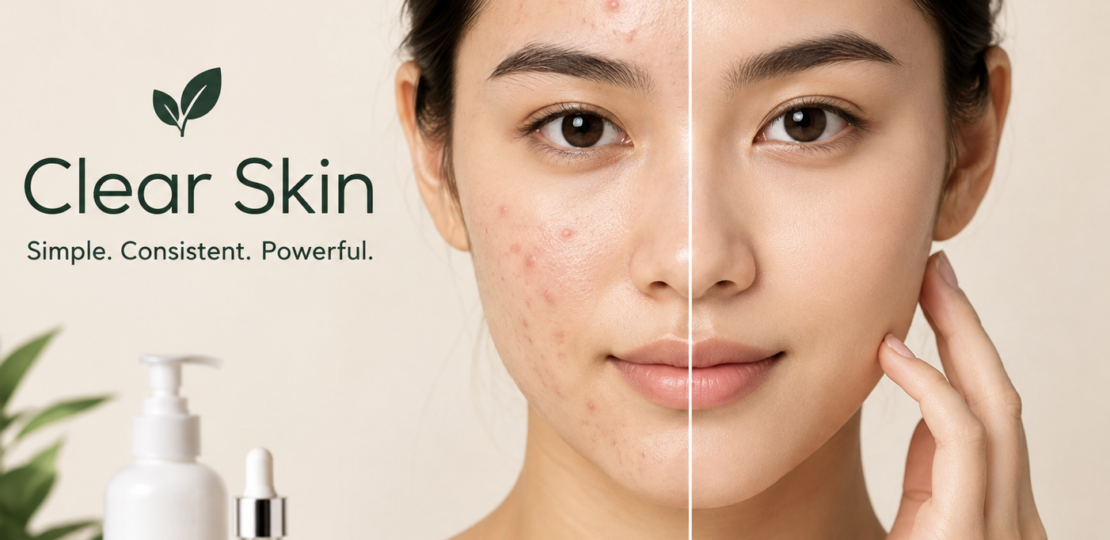
Acne can be frustrating, especially when new pimples seem to appear just when old ones are finally disappearing. But the solution isn’t always using more products. In many cases, a simple and consistent skincare routine works better than constantly changing products.
Here are the key skincare steps and ingredients that can help manage acne-prone skin.
1. Start With a Gentle Cleanser
Choose a gentle, non-comedogenic cleanser that removes excess oil, sweat and dirt without leaving your skin feeling tight or irritated.
If you have oily or clogged skin, a cleanser containing salicylic acid may help remove excess oil and unclog pores.
Avoid scrubbing your face aggressively. Irritation can make acne-prone skin worse.
2. Try Salicylic Acid for Clogged Pores
Salicylic acid is a popular acne-fighting ingredient because it helps exfoliate inside the pores.
It can be particularly useful for:
– Blackheads
– Whiteheads
– Oily skin
– Clogged pores
Start slowly, especially if your skin is sensitive.
3. Consider Benzoyl Peroxide for Inflamed Pimples
Benzoyl peroxide can help reduce acne-causing bacteria and inflammation. It is commonly used for red, inflamed pimples.
Lower concentrations can be a good starting point because stronger products may cause more dryness and irritation.
4. Don’t Skip Moisturizer
Many people with acne think moisturizer will make their skin more oily. That’s not necessarily true.
Acne treatments can dry and irritate the skin, so a lightweight, non-comedogenic moisturizer can help maintain the skin barrier.
Look for products labeled:
– Oil-free
– Non-comedogenic
– Fragrance-free, especially if your skin is sensitive
5. Sunscreen Is Essential
If you have acne marks, daily sunscreen is especially important.
Use a broad-spectrum SPF 30 or higher and apply it every morning. Sun exposure can make dark marks left after acne more noticeable and slower to fade.
6. For Dark Acne Marks, Consider Azelaic Acid
After pimples disappear, they can leave behind brown or dark marks.
Azelaic acid can be useful for both acne and post-acne discoloration. It may be a particularly attractive option for people who want one ingredient that addresses more than one concern.
Niacinamide and vitamin C are also commonly used in routines targeting uneven skin tone.
7. Don’t Use Too Many Acne Products at Once
This is one of the biggest skincare mistakes.
Using salicylic acid, benzoyl peroxide, retinoids, exfoliating acids and several serums all at once can cause excessive dryness and irritation.
Instead, introduce products gradually and give your skin time to adjust.
8. Avoid Picking Your Pimples
That tempting little squeeze can lead to bigger problems.
Picking or squeezing acne can increase inflammation and raise the risk of persistent marks and scarring.
Let acne treatments do the work instead.
A Simple Acne Routine
Morning:
– Gentle cleanser
– Optional acne/brightening treatment
– Lightweight moisturizer
– Broad-spectrum SPF 30–50
Night:
– Gentle cleanser
– One appropriate acne treatment
– Moisturizer
Consistency matters more than having a bathroom shelf full of products.
When Should You See a Dermatologist?
Consider seeing a dermatologist if your acne is painful, severe, leaving scars, suddenly becomes much worse, or doesn’t improve with an appropriate over-the-counter routine.
A dermatologist can determine whether prescription treatments are appropriate for your type of acne.
Clearer skin doesn’t usually happen overnight. The most effective approach is often gentle cleansing, an appropriate acne treatment, proper moisturizing, daily sun protection and patience.
Your skin doesn’t need 10 different products. It needs the right ones used consistently.
RELATED POSTS
View all

Microshading vs. Microblading: Which Is Better? Pros, Cons, and How to Choose
July 26, 2026 | by iveekaur
Botox vs. Dermal Fillers: What’s the Difference and Which One Is Better?
July 26, 2026 | by iveekaur