Turmeric Benefits for the Body and Skin: What Science Says
July 29, 2026 | by iveekaur

Turmeric is a bright yellow spice commonly used in Asian cooking and traditional medicine. It comes from the root of the Curcuma longa plant and contains a natural compound called curcumin, which is responsible for many of its potential health benefits.
Curcumin has been widely studied for its antioxidant and anti-inflammatory properties. Although turmeric is not a cure for any disease, adding it to a healthy diet may help support overall health and wellness.
Nutritional Value of Turmeric
Turmeric contains several beneficial plant compounds and nutrients, including:
– Curcumin
– Manganese
– Iron
– Potassium
– Vitamin C (in small amounts)
– Antioxidants
These nutrients help protect the body’s cells from damage and support normal body functions.
Health Benefits of Turmeric for the Body
1. Helps Fight Inflammation
Curcumin is known for its anti-inflammatory properties. Chronic inflammation is linked to many long-term health conditions, including heart disease and arthritis. Including turmeric in your diet may help support the body’s natural response to inflammation.
2. Rich in Antioxidants
Turmeric contains antioxidants that help protect cells from damage caused by free radicals. Antioxidants play an important role in maintaining overall health and healthy aging.
3. Supports Joint Health
Some studies suggest that curcumin may help reduce joint discomfort and improve mobility in people with osteoarthritis. However, it should not replace medications or treatments recommended by a healthcare professional.
4. May Support Heart Health
Turmeric may help support healthy blood vessel function and reduce oxidative stress. Eating turmeric as part of a balanced diet may contribute to good cardiovascular health.
5. Supports Brain Health
Researchers are studying whether curcumin may help protect brain cells and support memory and cognitive function. More research is needed before firm conclusions can be made.
6. Aids Digestion
Turmeric has traditionally been used to support digestion. Some people find that it helps reduce bloating and promotes healthy digestive function, although individual responses may vary.
Benefits of Turmeric for the Skin
1. Helps Protect the Skin
Turmeric’s antioxidant properties help protect skin cells from environmental damage caused by pollution and ultraviolet (UV) rays.
2. Supports Healthy-Looking Skin
Its anti-inflammatory effects may help reduce the appearance of redness and irritation, contributing to healthier-looking skin.
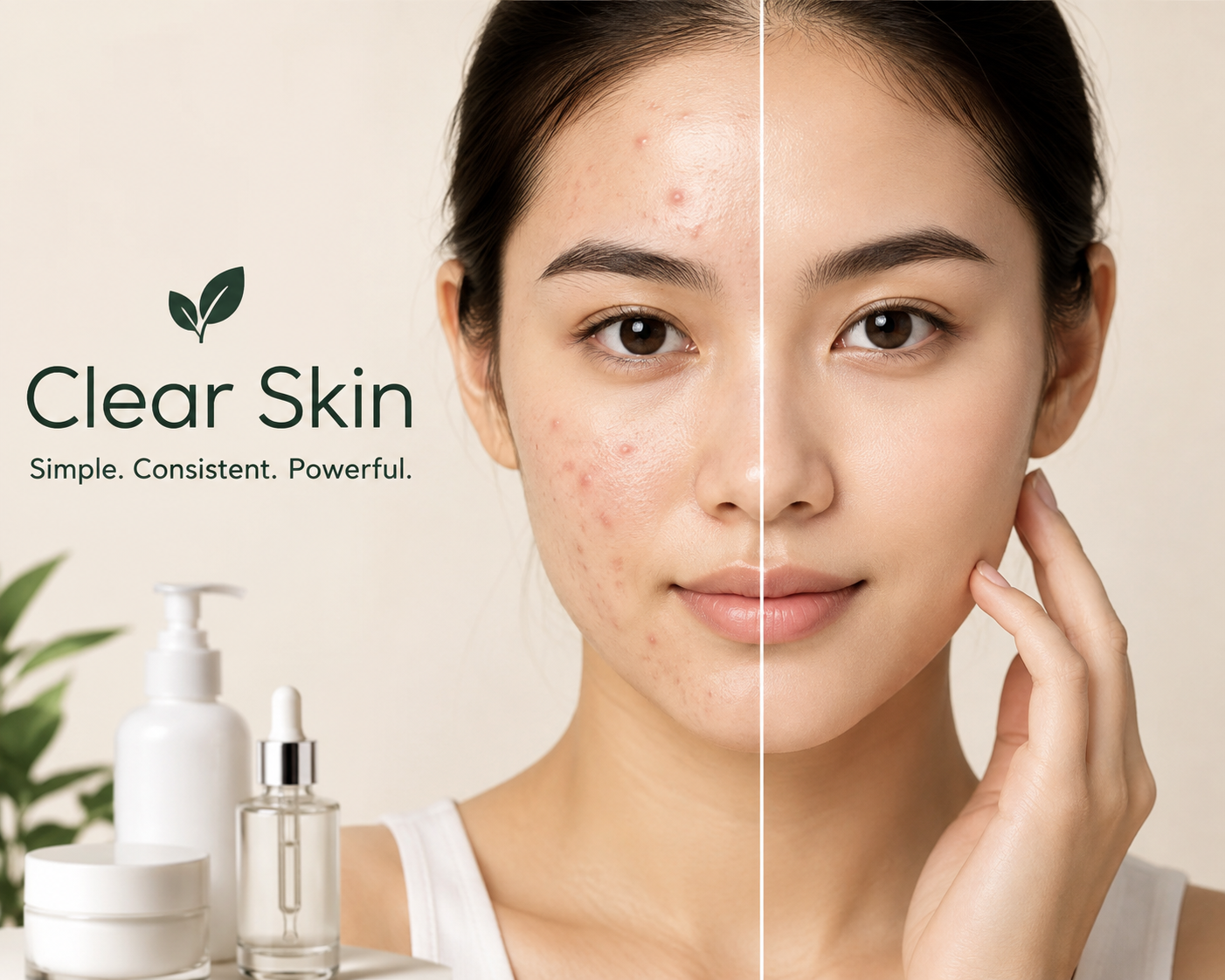
3. May Help with Acne
Turmeric may help reduce inflammation associated with acne. However, it is not a proven acne treatment and should be used carefully because it can stain the skin and clothing.
4. Promotes a Brighter Complexion
Many traditional skincare routines include turmeric masks to improve the appearance of dull skin. Scientific evidence is limited, but some people report smoother and brighter-looking skin after regular use.
5. Supports Wound Healing
Early research suggests that curcumin may support the body’s natural wound-healing process by helping regulate inflammation. More human studies are needed.
How to Include Turmeric in Your Diet
You can enjoy turmeric in many ways:
– Add it to soups and curries.
– Mix it into rice dishes.
– Sprinkle it on roasted vegetables.
– Blend it into smoothies.
– Prepare turmeric tea or golden milk.
A small amount of black pepper is often added to turmeric-containing meals because it contains piperine, which can significantly improve the body’s absorption of curcumin.
Are There Any Risks?
Turmeric is generally safe when used in cooking. However, high-dose turmeric or curcumin supplements may not be suitable for everyone.
Consult your healthcare provider before taking turmeric supplements if you:
– Take blood-thinning medications.
– Have gallbladder disease.
– Are pregnant or breastfeeding.
– Have kidney stones or certain digestive conditions.
Can Turmeric Cure Diseases?
No. There is no scientific evidence that turmeric can cure cancer, diabetes, arthritis, or other chronic diseases. While research on curcumin is promising, turmeric should be considered part of a healthy lifestyle—not a replacement for medical treatment.
Turmeric is a nutritious spice with antioxidant and anti-inflammatory properties that may support overall health. It may benefit the body by supporting heart, joint, brain, and digestive health, while also contributing to healthier-looking skin. The greatest benefits come from incorporating turmeric into a balanced diet rich in fruits, vegetables, whole grains, lean proteins, and healthy fats.
Disclaimer: This article is for educational purposes only and should not replace professional medical advice, diagnosis, or treatment. If you have a medical condition or are taking prescription medications, consult your doctor or a registered dietitian before using turmeric supplements or making significant changes to your diet.
RELATED POSTS
View all