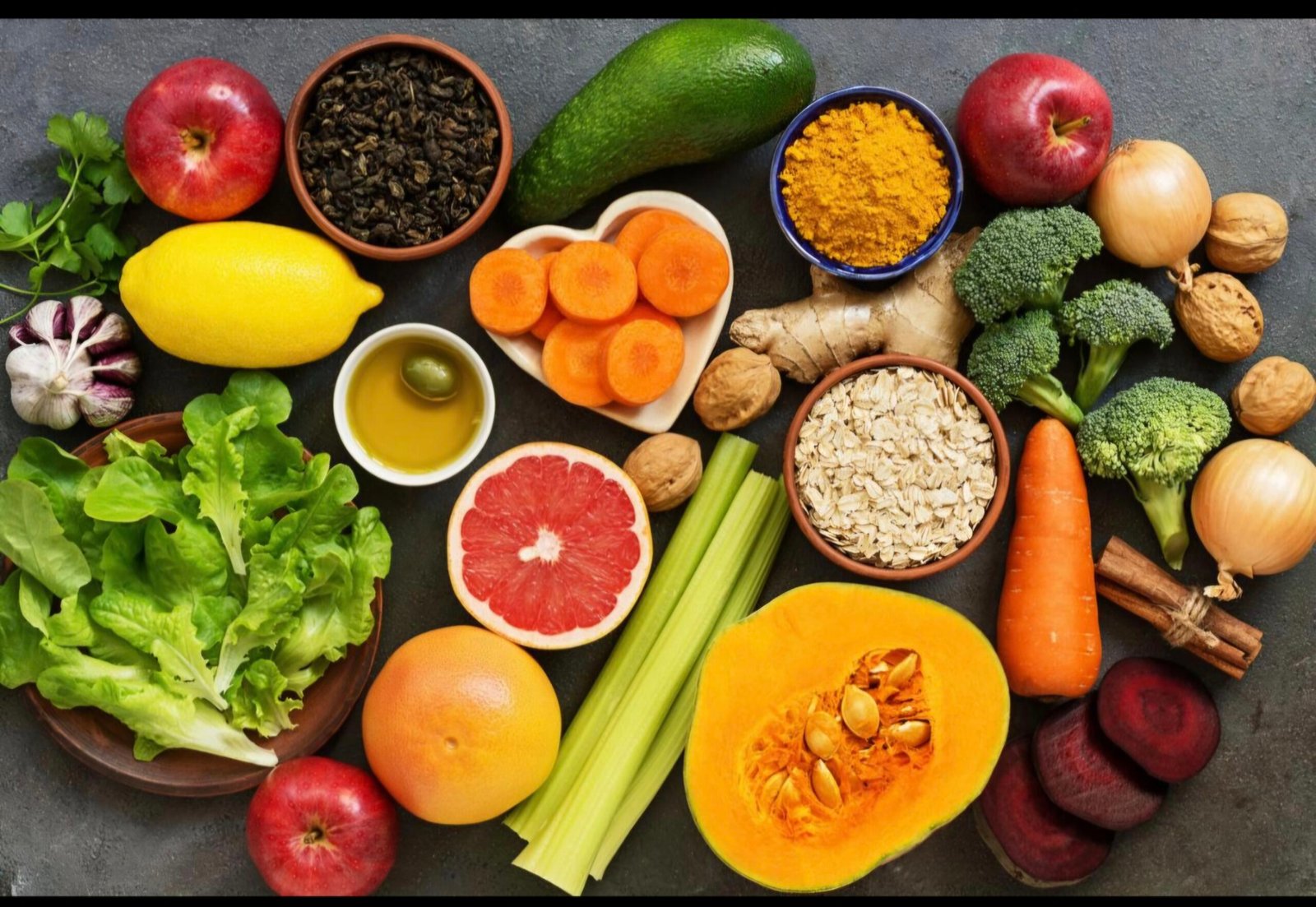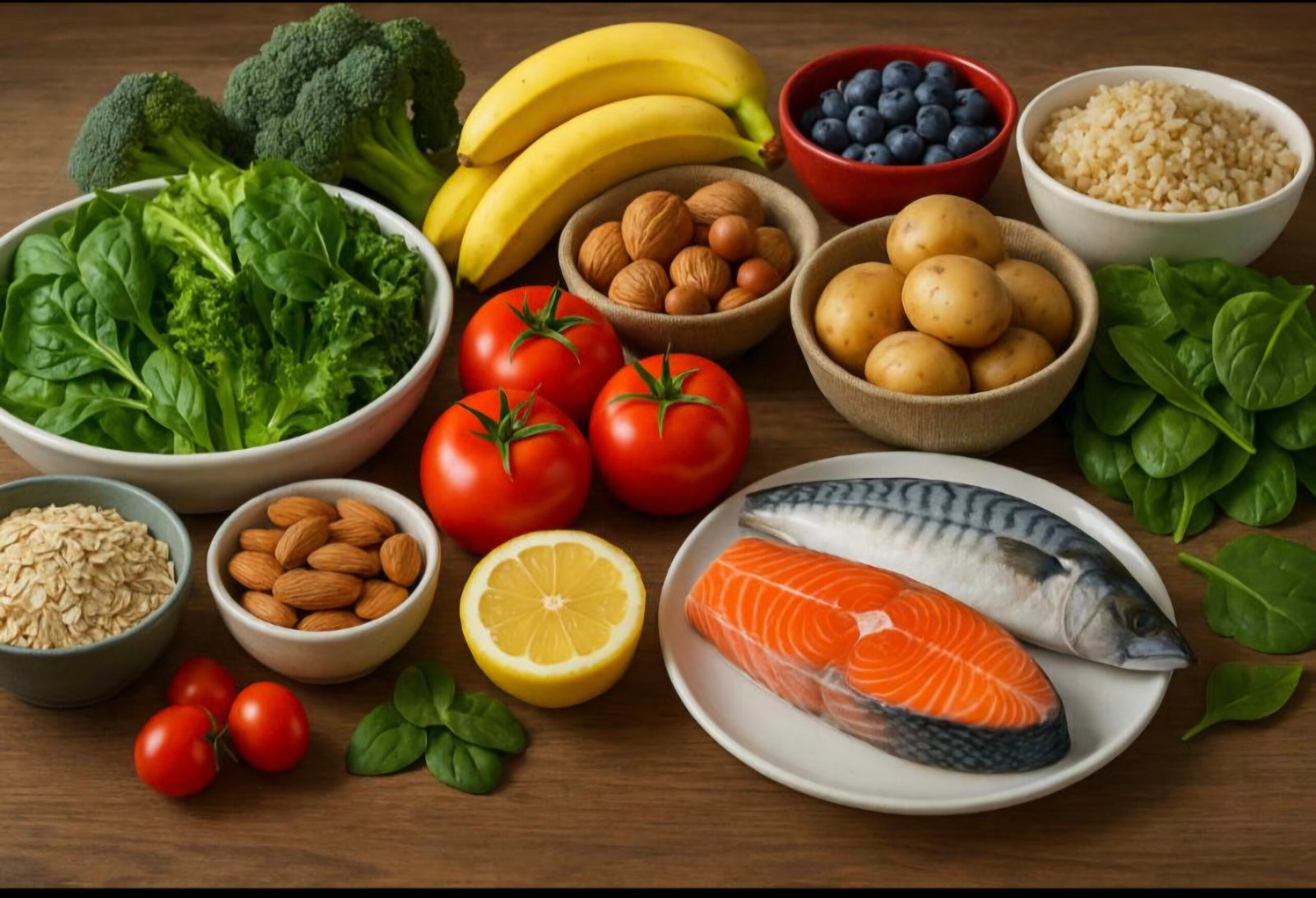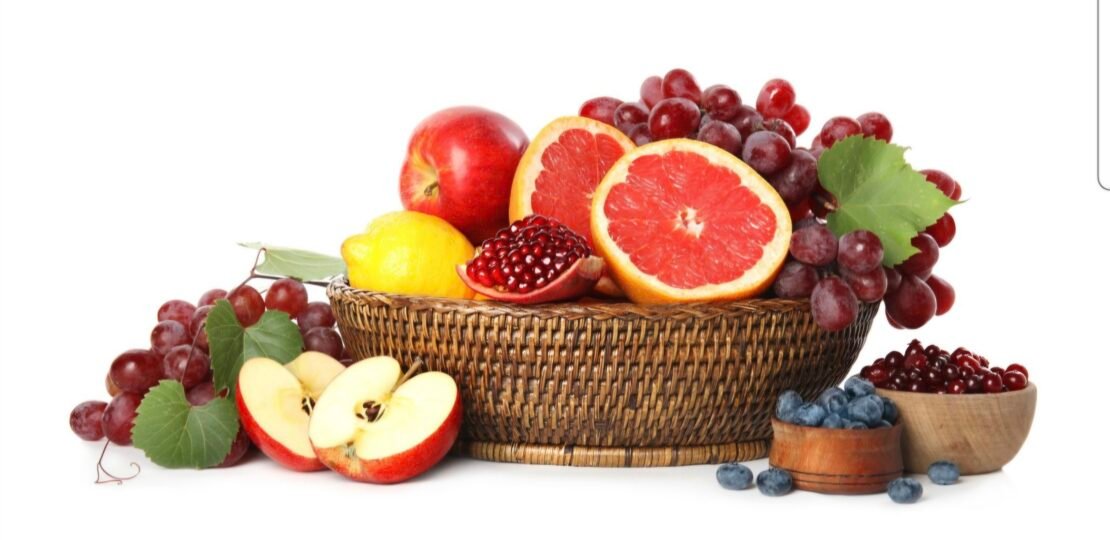
What if some of the simplest foods in your kitchen could help your body fight the damage linked to cancer?
There is no single “anti-cancer” food, and eating fruit cannot guarantee protection from cancer. However, many fruits are rich in antioxidants, fiber, vitamins, and plant compounds that may support healthy cells and reduce processes associated with cancer development.
Here are 5 fruits worth adding to a balanced diet.
1. Berries
Strawberries, blueberries, raspberries, and blackberries are packed with colorful plant compounds called polyphenols.
Berries contain anthocyanins and other antioxidants that may help protect cells from oxidative stress. Some laboratory and animal studies have also found potentially protective effects against certain cancer-related processes.
The best part? They are easy to add to breakfast, oatmeal, yogurt, or smoothies.
2. Grapes
Grapes contain several beneficial plant compounds, including resveratrol, particularly in the skin of red and purple grapes.
Resveratrol has been studied for its antioxidant and anti-inflammatory properties. Research is ongoing to understand how these compounds may influence cancer-related processes in humans.
For a simple snack, choose whole grapes rather than grape-flavored products with added sugar.
3. Citrus Fruits
Oranges, lemons, grapefruit, mandarins, and other citrus fruits provide vitamin C, folate, fiber, and various plant compounds.
Citrus fruits contain flavonoids and other compounds that researchers are studying for possible protective effects against certain cancers.
Eating the whole fruit also gives you fiber, which is generally lost when fruit is turned into juice.
4. Apples
“An apple a day” isn’t a cancer cure, but apples can certainly be part of a healthy diet.
Apples provide fiber and plant compounds such as quercetin and other polyphenols. Their fiber is particularly useful for supporting digestive health.
Whenever practical, eat the apple with its skin after washing it thoroughly, because some beneficial plant compounds and fiber are concentrated in or near the skin.
5. Pomegranate
Pomegranate is rich in polyphenols and other antioxidant compounds.
Researchers have investigated pomegranate compounds for their possible effects on inflammation, oxidative stress, and several cancer-related pathways. However, much of the evidence is still experimental, and more human research is needed.
Enjoy the seeds as part of a meal or snack rather than relying on pomegranate juice alone.
How to Eat These Fruits
You don’t need to eat huge amounts or buy expensive supplements.
Try adding different fruits to your daily meals:
• Berries with oatmeal or yogurt
• An apple as a convenient snack
• Orange or mandarin with breakfast
• Grapes with lunch
• Pomegranate seeds over yogurt or salad
The bigger picture matters. A diet rich in fruits, vegetables, whole grains, beans, and other minimally processed foods is generally more beneficial than focusing on one “superfood.”
These fruits should not be considered cancer treatments or cures.
Cancer risk is influenced by many factors, including genetics, age, smoking, alcohol use, body weight, physical activity, infections, environmental exposures, and overall diet.
If you are concerned about cancer symptoms or your personal cancer risk, speak with a qualified healthcare professional. Regular screening, when recommended, is also an important part of cancer prevention and early detection.
Think of these fruits not as a magic shield against cancer, but as delicious pieces of a healthier overall diet.
RELATED POSTS
View all