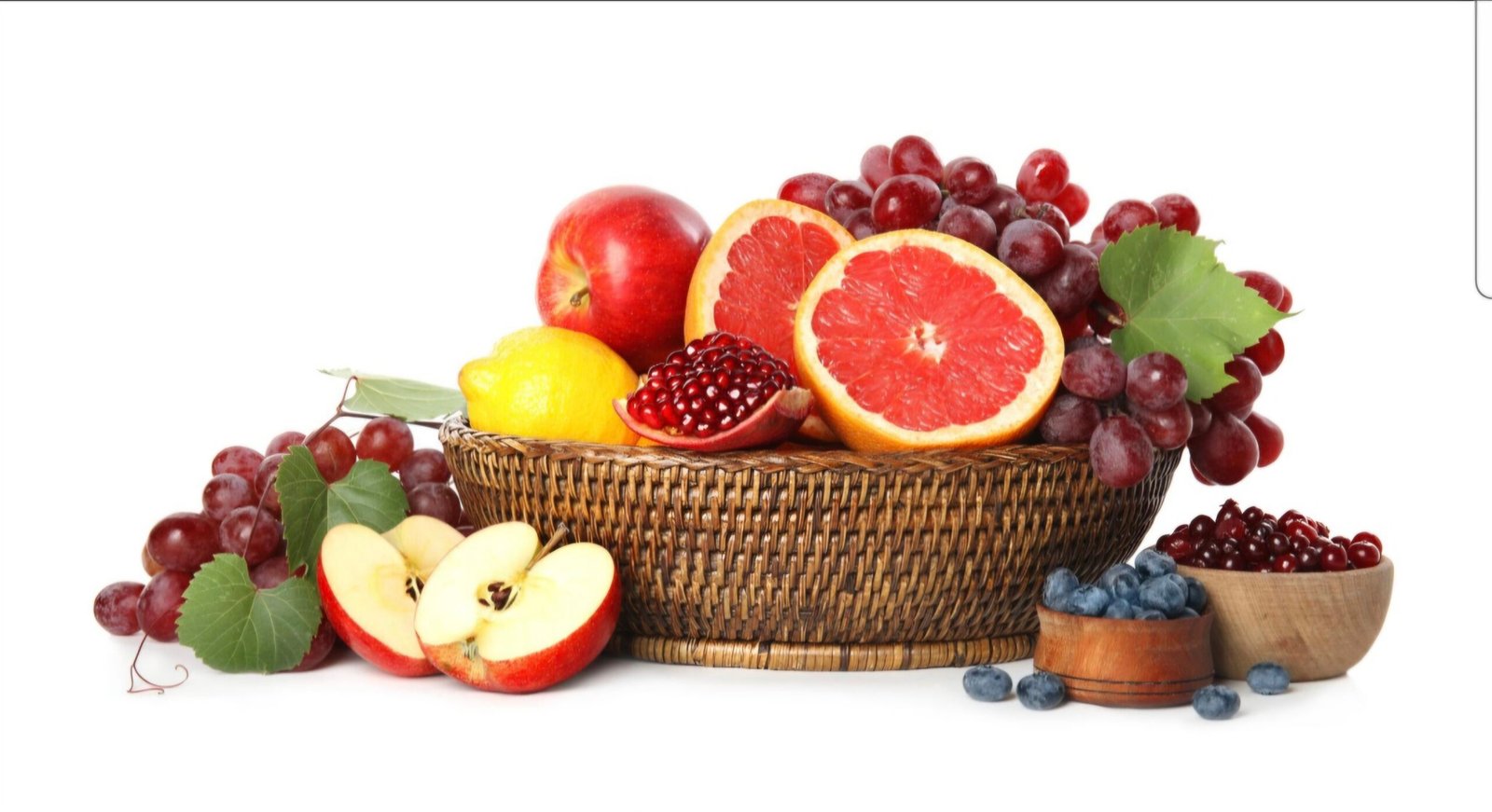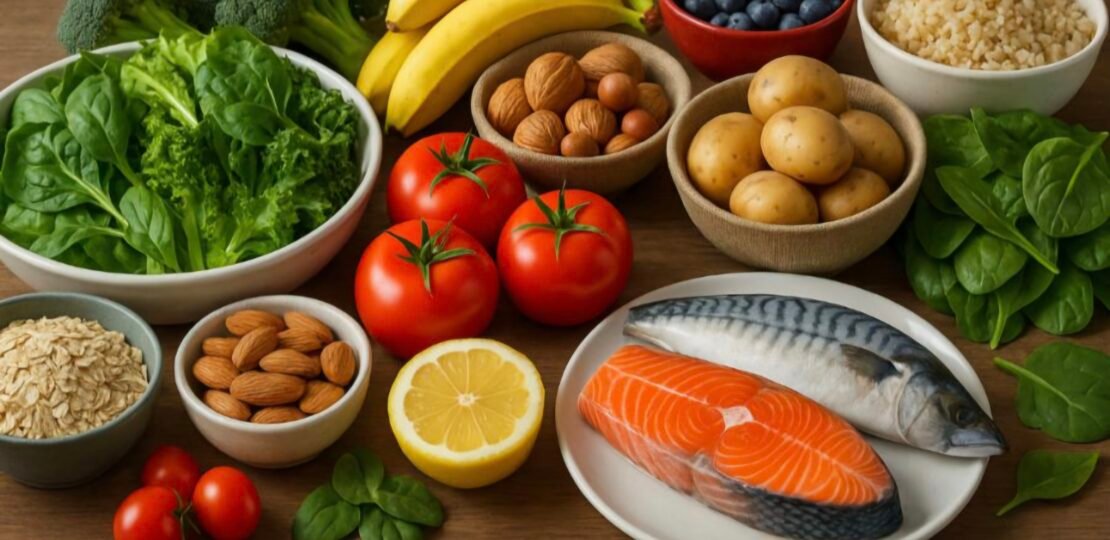
High blood pressure can develop without obvious symptoms, which is why it is often called a “silent” condition. The good news is that your everyday food choices can play an important role in supporting healthy blood pressure.
No single food can cure high blood pressure, and food should not replace prescribed medication. But a balanced eating pattern—especially one rich in fruits, vegetables, whole grains and other nutrient-dense foods—can help support cardiovascular health.
1. Bananas
Bananas provide potassium, a mineral involved in maintaining normal blood pressure. Potassium helps balance the effects of sodium in the body.
Enjoy a banana as a snack, add it to oatmeal, or blend it into a smoothie.
Important: People with kidney disease or certain medical conditions may need to limit potassium, so check with a healthcare professional first.
2. Leafy Green Vegetables
Spinach, kale, bok choy and other leafy greens provide potassium, magnesium, folate and other nutrients.
Try adding them to soups, salads, stir-fries or omelets.
3. Beetroot
Beetroot is naturally rich in nitrates. The body can convert dietary nitrates into compounds that help blood vessels relax and widen.
You can enjoy beetroot roasted, boiled or added to salads.
4. Oats
Oats are rich in soluble fiber, particularly beta-glucan. A diet containing plenty of fiber can support heart health and healthy cholesterol levels.
Start your morning with oatmeal topped with fruit and unsalted nuts.
5. Berries
Blueberries, strawberries and other berries contain potassium, fiber and plant compounds called polyphenols.
Add fresh or frozen berries to yogurt, oatmeal or a smoothie.
6. Plain Yogurt
Plain, unsweetened yogurt can provide calcium, potassium and protein.
Choose varieties without large amounts of added sugar. If you’re watching sodium intake, check the nutrition label.
7. Fatty Fish
Salmon, sardines, mackerel and other oily fish are rich in omega-3 fatty acids.
Including fish as part of a balanced diet can support overall cardiovascular health.
8. Beans and Lentils
Beans, chickpeas and lentils provide fiber, potassium, magnesium and plant-based protein.
They are also useful replacements for some higher-sodium processed foods.
Try adding them to soups, salads, stews or rice dishes.
9. Unsalted Nuts and Seeds
Almonds, walnuts, pumpkin seeds and other unsalted nuts and seeds provide healthy fats, magnesium and other nutrients.
Choose unsalted versions because excessive sodium intake can contribute to higher blood pressure in many people.
10. Garlic
Garlic contains sulfur-containing compounds and may have cardiovascular benefits.
Adding fresh garlic to vegetables, soups and other meals is an easy way to increase flavor without relying heavily on salt.
One More Important Food Choice: Less Salt
Sometimes what you reduce matters just as much as what you add.
Too much sodium can increase blood pressure, particularly in people who are salt-sensitive. A large amount of sodium comes from processed and packaged foods rather than the salt shaker alone.
Try reducing:
Instant noodles
Processed meats
Very salty snacks
Canned foods with added sodium
Fast food
Salty sauces and condiments
Instead, flavor food with garlic, herbs, spices, lemon or vinegar.
The Bottom Line
There is no single “miracle food” that instantly lowers blood pressure.
The better approach is to build a heart-friendly eating pattern around vegetables, fruits, whole grains, beans, nuts, seeds, fish and low-fat dairy, while limiting excessive sodium and highly processed foods.
If you have been diagnosed with high blood pressure, continue taking prescribed medication as directed and monitor your blood pressure regularly. Do not stop or change medication because of dietary changes without speaking with your healthcare professional.
RELATED POSTS
View all


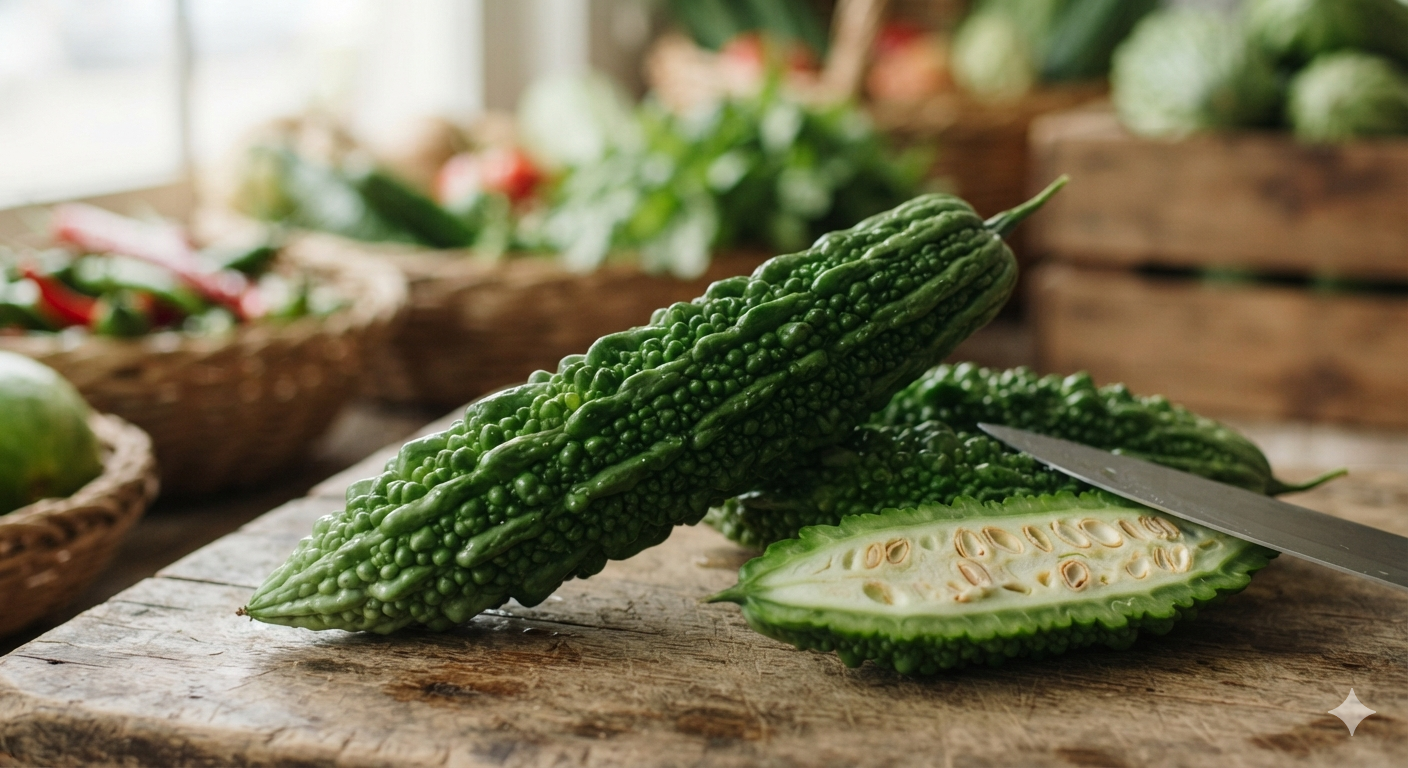
Bitter Melon (Ampalaya): Health Benefits, Nutrition, and What the Science Says
July 29, 2026 | by iveekaur